Endpoint Security Posture in Modern Organizations: Why Continuous Monitoring Is No Longer Optional

The modern enterprise perimeter no longer exists in any meaningful sense. Where organizations once protected a clearly defined network boundary with firewalls and intrusion detection systems, today's workforce operates from coffee shops, home offices, co-working spaces, and airports. Every laptop, smartphone, tablet, and IoT device that touches corporate data represents both a productivity enabler and a potential entry point for adversaries. Endpoint security posture — the continuous assessment of the health, compliance, and resilience of every device in an organization — has moved from a nice-to-have to an operational imperative.
According to industry reports, over 70% of successful breaches in 2025 originated at the endpoint level. Ransomware, info-stealers, living-off-the-land attacks, and fileless malware all exploit gaps in endpoint hygiene that traditional antivirus solutions were never designed to catch. Organizations that fail to maintain real-time visibility into the security posture of every connected device are essentially operating blind in a threat landscape that punishes complacency within minutes, not days.
In this article, we explore the foundational principles of endpoint security posture monitoring, examine the key metrics and frameworks that drive mature programs, and provide actionable guidance for organizations seeking to build or strengthen their endpoint security posture capabilities.

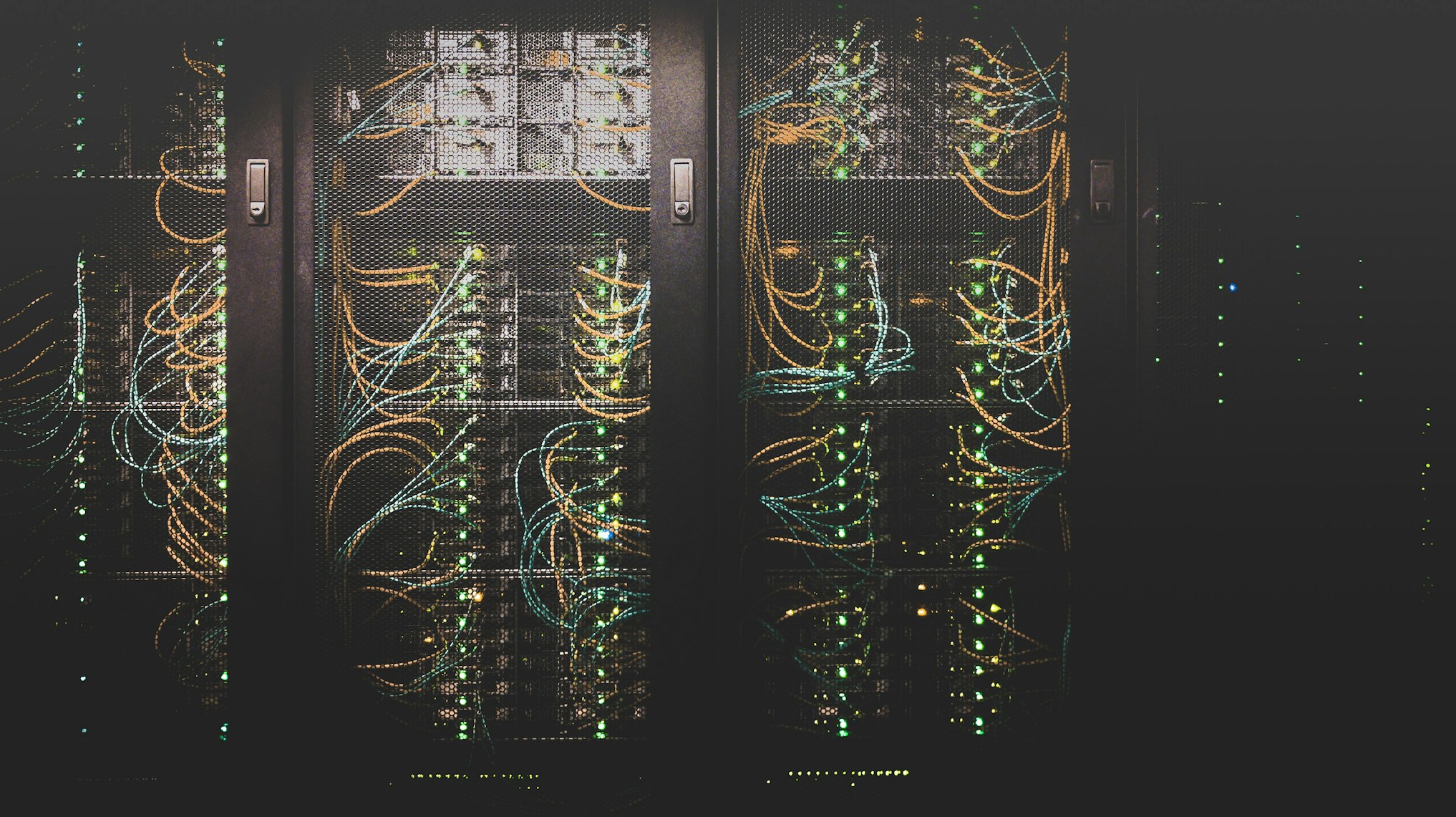
Modern endpoint security requires continuous monitoring across a diverse and distributed device landscape.
What Is Endpoint Security Posture?
Endpoint security posture refers to the aggregate security health of all devices — desktops, laptops, mobile phones, servers, virtual machines, containers, and IoT devices — that connect to an organization's network and data resources. It encompasses not just whether an antivirus agent is installed, but the totality of configuration states, patch levels, policy compliance, behavioral baselines, and real-time threat indicators across the fleet.
A strong endpoint security posture means that every device meets a defined baseline of security controls, deviations are detected and remediated rapidly, and the organization has continuous situational awareness of its endpoint risk profile. A weak posture, by contrast, means that devices drift out of compliance, patches go unapplied, configurations are inconsistent, and the security team has limited visibility into the true state of the fleet.
Key Dimensions of Endpoint Posture
- Patch compliance: Are operating systems and applications up-to-date with the latest security patches? Unpatched vulnerabilities remain the most exploited attack vector across all industries.
- Configuration hardening: Are endpoints configured according to security baselines such as CIS Benchmarks or DISA STIGs? Default configurations are inherently insecure and must be actively hardened.
- Agent health: Are security agents (EDR, antivirus, DLP, VPN) installed, running, and reporting correctly? Silent agent failures create invisible gaps in coverage.
- Encryption status: Is full-disk encryption enabled and verified on all endpoints? Lost or stolen devices without encryption expose sensitive data.
- Authentication posture: Are multi-factor authentication, strong passwords, and biometric controls enforced? Weak authentication is a top contributor to credential-based attacks.
- Behavioral baselines: Are endpoints exhibiting normal usage patterns, or are there anomalies that suggest compromise? Behavioral deviation is often the earliest indicator of an active threat.
The Expanding Attack Surface: Why Endpoints Are the Primary Target
The shift to remote and hybrid work, the proliferation of personal devices under BYOD policies, and the explosive growth of IoT have fundamentally transformed the endpoint landscape. The average enterprise now manages tens of thousands of endpoints, many of which operate outside the traditional network perimeter and connect through untrusted networks.

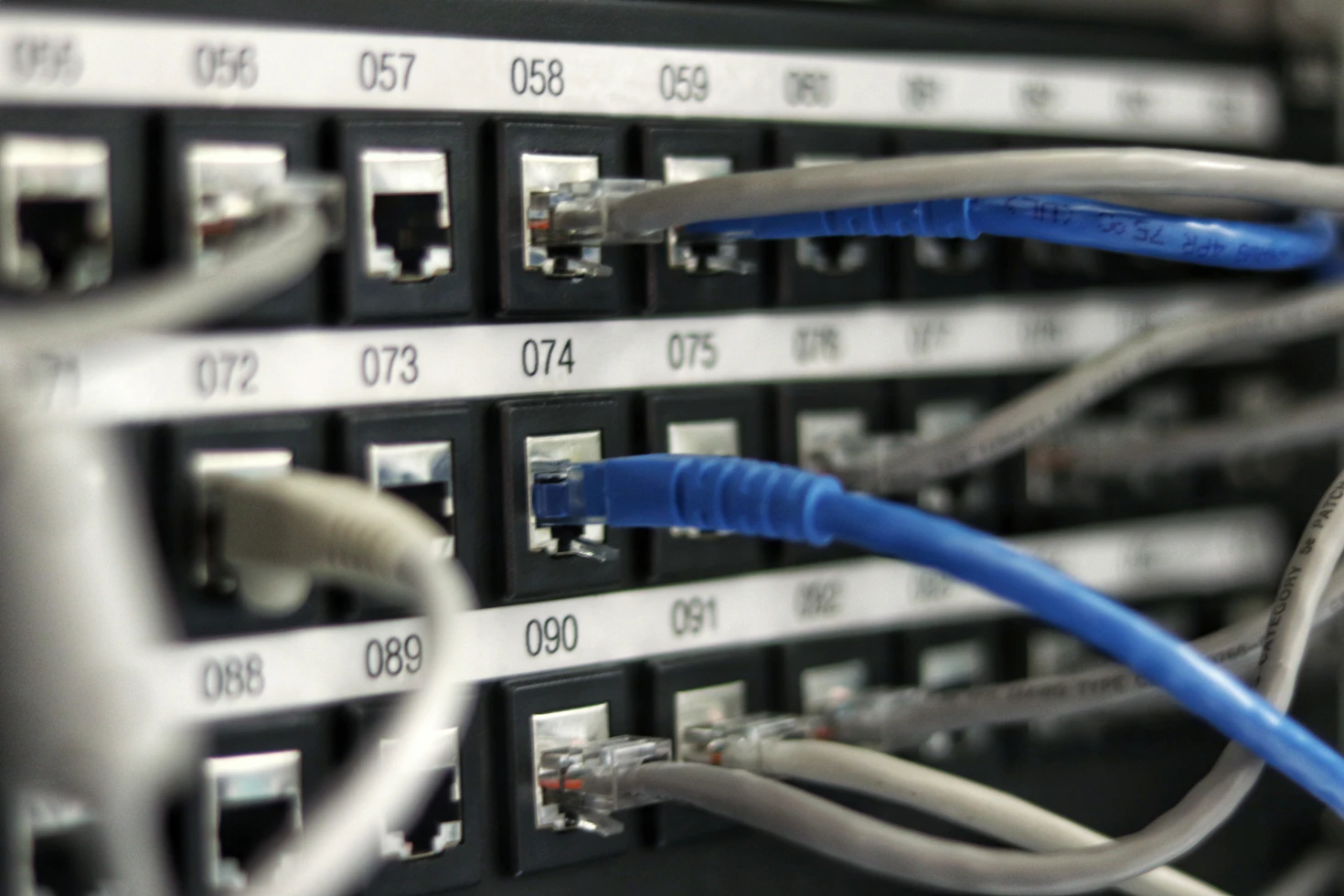
The explosion of connected devices has created an attack surface that traditional perimeter-based security models cannot adequately protect.
Remote Work and the Dissolved Perimeter
When employees work from home, their corporate laptop sits on the same network as smart TVs, gaming consoles, and family members' personal devices. The home router — often running outdated firmware with default credentials — becomes the de facto perimeter device. Corporate VPN solutions provide encrypted tunnels but do nothing to assess or enforce the security posture of the endpoint itself before granting access.
This reality means that an endpoint with a disabled firewall, outdated EDR signatures, and three months of missing OS patches can establish a fully authenticated connection to the most sensitive corporate resources. Without continuous posture assessment, the VPN tunnel becomes a secure pipe connecting a compromised device directly to the crown jewels.
BYOD and Shadow IT
Bring Your Own Device policies increase productivity and employee satisfaction, but they introduce devices that the organization does not fully control. Personal phones accessing corporate email, personal laptops connecting to development environments, and unauthorized SaaS applications all create endpoint blind spots that traditional asset management tools struggle to address.
Shadow IT — the use of unauthorized applications and services — compounds the problem. When employees install unapproved software, use personal cloud storage for work documents, or connect unauthorized peripherals, they create pathways that bypass security controls entirely. Endpoint posture monitoring must account for these unmanaged and partially managed devices.
IoT and Operational Technology
The Internet of Things has introduced a category of endpoints that are fundamentally different from traditional computing devices. IoT sensors, cameras, building management systems, medical devices, and industrial controllers often run embedded operating systems that cannot be patched, lack the resources to run security agents, and communicate using protocols that were designed for reliability rather than security.
- Many IoT devices ship with hardcoded credentials that cannot be changed
- Firmware updates are infrequent and often require physical access to the device
- IoT devices typically lack the computing resources to run endpoint protection agents
- Communication protocols like MQTT and CoAP have limited built-in security mechanisms
- The average lifespan of an IoT device far exceeds the vendor's security support window
Building an Endpoint Security Posture Program
A mature endpoint security posture program is not a single product deployment — it is an integrated capability that spans people, processes, and technology. The following framework provides a structured approach to building and operationalizing endpoint posture monitoring at scale.
1. Asset Discovery and Inventory
You cannot secure what you cannot see. The foundation of any endpoint security posture program is a comprehensive, continuously updated inventory of every device that connects to the organization's network and cloud resources. This inventory must go beyond traditional IT asset management to include BYOD devices, IoT endpoints, virtual machines, containers, and ephemeral cloud instances.
# Endpoint Asset Discovery Framework
class EndpointInventory:
    def __init__(self):
        self.discovery_sources = [
            "active_directory",
            "network_scanning",
            "dhcp_logs",
            "edr_telemetry",
            "cloud_provider_apis",
            "mdm_enrollment",
            "certificate_authority"
        ]

    def reconcile_inventory(self, sources: list) -> dict:
        """Cross-reference multiple sources to build
        a unified endpoint inventory."""
        unified_assets = {}
        for source in sources:
            devices = source.get_devices()
            for device in devices:
                device_id = self.generate_fingerprint(device)
                if device_id in unified_assets:
                    unified_assets[device_id].merge(device)
                else:
                    unified_assets[device_id] = device
        return unified_assets

    def identify_unmanaged(self, inventory: dict) -> list:
        """Flag devices that appear on the network
        but are not enrolled in management systems."""
        return [
            device for device in inventory.values()
            if not device.is_managed
            and device.last_seen_hours < 24
        ]
2. Posture Baseline Definition
Once the inventory is established, organizations must define what constitutes an acceptable security posture for each category of endpoint. This baseline should be specific, measurable, and aligned with industry frameworks such as CIS Controls, NIST Cybersecurity Framework, or the organization's own risk appetite.
- Define minimum patch levels for operating systems and critical applications with maximum acceptable patch age (e.g., critical patches within 72 hours, high within 7 days)
- Establish required security agent configurations including EDR, host-based firewall, disk encryption, and DLP agents with specific version requirements
- Set configuration hardening standards mapped to CIS Benchmark Level 1 or Level 2 profiles appropriate for the device category and risk tier
- Specify authentication requirements including MFA enrollment, password complexity, session timeout, and certificate-based authentication where applicable
- Define acceptable software inventories and establish application whitelisting or blacklisting policies to prevent unauthorized software execution
3. Continuous Monitoring and Scoring
Static, point-in-time assessments are insufficient for modern endpoint security. Organizations need continuous monitoring that evaluates posture in real time and translates raw telemetry into actionable risk scores. A posture score for each endpoint — and an aggregate score for the fleet — provides the security team with an intuitive measure of organizational risk that can be trended over time and reported to leadership.
# Endpoint Posture Scoring Engine
def calculate_posture_score(endpoint: dict) -> float:
    """Calculate a normalized security posture score
    for an individual endpoint (0-100)."""
    weights = {
        "patch_compliance": 0.25,
        "config_hardening": 0.20,
        "agent_health": 0.20,
        "encryption_status": 0.15,
        "auth_posture": 0.10,
        "behavioral_score": 0.10
    }

    scores = {
        "patch_compliance": assess_patches(endpoint),
        "config_hardening": assess_config(endpoint),
        "agent_health": assess_agents(endpoint),
        "encryption_status": assess_encryption(endpoint),
        "auth_posture": assess_authentication(endpoint),
        "behavioral_score": assess_behavior(endpoint)
    }

    weighted_score = sum(
        scores[k] * weights[k] for k in weights
    )
    return round(weighted_score, 2)

def fleet_posture_summary(endpoints: list) -> dict:
    """Generate fleet-level posture summary."""
    scores = [calculate_posture_score(ep) for ep in endpoints]
    return {
        "fleet_average": sum(scores) / len(scores),
        "critical_devices": len([s for s in scores if s < 50]),
        "compliant_devices": len([s for s in scores if s >= 80]),
        "total_devices": len(scores)
    }
Continuous posture scoring transforms raw telemetry into actionable risk metrics that security teams can trend and report to leadership.
4. Automated Remediation and Enforcement
Detecting posture drift is only valuable if the organization can remediate it rapidly. Manual remediation processes that rely on help desk tickets and user cooperation introduce delays measured in days or weeks — an eternity in the context of modern attack timelines. Mature endpoint posture programs implement automated remediation workflows that can resolve common compliance gaps without human intervention.
- Auto-deploy missing patches during maintenance windows with forced restart policies for critical vulnerabilities
- Automatically re-enable disabled security agents and restore default-deny firewall rules when tampering is detected
- Quarantine non-compliant devices by restricting network access until posture requirements are met using NAC integration
- Push configuration hardening policies through MDM and endpoint management platforms with drift detection and auto-correction
- Trigger conditional access policies that block or limit resource access based on real-time posture evaluation
Zero Trust and Endpoint Posture: A Symbiotic Relationship
The Zero Trust security model — which assumes no implicit trust and requires continuous verification of every access request — depends fundamentally on endpoint security posture as a core signal. In a Zero Trust architecture, the question is not merely whether the user's credentials are valid, but whether the device from which they are connecting meets the organization's security requirements at the moment of access.
This represents a paradigm shift from traditional access control, which granted broad access once authentication succeeded. Under Zero Trust, every access decision incorporates device posture as a first-class input alongside user identity, network location, resource sensitivity, and behavioral context. An authenticated user on a non-compliant device may be granted read-only access to low-sensitivity resources but blocked from accessing production systems or sensitive data stores.
Posture-Based Conditional Access in Practice
- Device with current patches, active EDR, and disk encryption: Full access to all authorized resources
- Device missing non-critical patches but otherwise compliant: Access granted with a 48-hour remediation deadline and follow-up notification
- Device with outdated EDR signatures or disabled firewall: Access restricted to email and collaboration tools only; remediation required for broader access
- Device with critical vulnerabilities or indicators of compromise: Access denied entirely; device quarantined and incident response engaged
Key Metrics for Endpoint Security Posture Programs
Effective endpoint posture programs are driven by metrics that provide visibility into both the current state and the trend of organizational risk. The following metrics form the foundation of a mature program and enable data-driven decision-making about security investments and priorities.
- Mean Time to Patch (MTTP): Average elapsed time between patch release and deployment across the fleet. Target: < 72 hours for critical, < 14 days for high severity.
- Posture Compliance Rate: Percentage of endpoints meeting all baseline requirements at any given time. Mature organizations target > 95%.
- Unmanaged Device Ratio: Percentage of network-connected devices that are not enrolled in endpoint management. Target: < 2%.
- Agent Health Rate: Percentage of endpoints with all required security agents installed, running, and reporting. Target: > 99%.
- Mean Time to Remediate (MTTR): Average time to bring a non-compliant endpoint back into compliance after drift is detected. Target: < 4 hours for automated remediations.
- Posture Score Trend: Fleet-average posture score tracked weekly to identify improvement or degradation trends over time.
Common Challenges and How to Overcome Them
Implementing a comprehensive endpoint posture program is not without challenges. Organizations commonly encounter resistance from end users who view security controls as obstacles to productivity, resource constraints that limit the scope of monitoring and remediation, and tool sprawl that creates fragmented visibility. Addressing these challenges requires a combination of technical solutions, organizational alignment, and clear communication.
User Resistance and Productivity Concerns
End users often perceive security controls as impediments to their work. Forced patching reboots during critical deadlines, VPN requirements that slow internet access, and application restrictions that block preferred tools all generate friction. The most successful programs address this by implementing transparent security controls that operate without user intervention, providing clear communication about why controls exist and what threats they mitigate, and offering self-service remediation portals that empower users to resolve compliance gaps on their own schedule within defined timeframes.
Tool Integration and Visibility Gaps
Many organizations suffer from tool sprawl in the endpoint space: separate solutions for antivirus, EDR, patching, configuration management, mobile device management, and vulnerability scanning, each with its own console and data model. This fragmentation creates visibility gaps where no single tool provides a complete picture of endpoint posture. Consolidating telemetry into a unified posture platform — or leveraging a security posture management solution that integrates with existing tools — is essential for achieving the holistic visibility that effective posture management demands.
The Role of AI and Machine Learning in Endpoint Posture
Artificial intelligence and machine learning are increasingly important enablers of endpoint posture management at scale. As fleet sizes grow and the diversity of endpoints increases, manual analysis becomes impractical. ML models can identify subtle patterns of posture drift, predict which endpoints are most likely to fall out of compliance, and prioritize remediation actions based on actual risk rather than arbitrary severity ratings.
- Anomaly detection models identify endpoints exhibiting unusual posture patterns that may indicate compromise or misconfiguration before they trigger traditional alerts
- Predictive compliance models forecast which endpoints are likely to fall out of compliance based on historical patterns, enabling proactive remediation
- Risk prioritization algorithms weigh endpoint posture gaps against threat intelligence and asset criticality to focus remediation on the highest-risk devices first
- Natural language processing summarizes posture findings into executive-friendly reports that communicate risk without requiring technical expertise to interpret
Implementation Roadmap
Organizations building or maturing their endpoint security posture capabilities should follow a phased approach that delivers incremental value while building toward comprehensive coverage.
- Phase 1 — Foundation: Deploy comprehensive asset discovery, establish a unified endpoint inventory, and define posture baselines for each device category. Implement basic patch compliance monitoring.
- Phase 2 — Visibility: Integrate telemetry from EDR, patch management, MDM, and configuration management tools into a unified posture dashboard. Implement posture scoring and begin tracking key metrics.
- Phase 3 — Automation: Implement automated remediation workflows for common compliance gaps. Integrate posture signals into conditional access policies. Begin quarantine procedures for non-compliant devices.
- Phase 4 — Intelligence: Deploy ML-driven anomaly detection and predictive compliance models. Implement risk-based prioritization for remediation actions. Automate executive reporting and trend analysis.
Conclusion
Endpoint security posture monitoring is no longer a supplementary capability — it is the foundation upon which modern security architectures are built. In a world where the perimeter has dissolved, the endpoint is the perimeter. Every device that connects to organizational resources carries with it a risk profile that must be continuously assessed, scored, and managed.
Organizations that invest in comprehensive endpoint posture programs gain more than security improvements. They gain the confidence to enable flexible work arrangements, the data to make informed risk decisions, and the operational maturity to respond to threats before they become incidents. The question is no longer whether to implement endpoint posture monitoring, but how quickly it can be operationalized.
The endpoint is where users, data, and threats converge. Continuous posture monitoring ensures that this critical intersection remains resilient, compliant, and defended — not just today, but as the threat landscape continues to evolve.